

Viruses, malware, spyware, ransomware, and other security threats can negatively impact device performance, compromise sensitive information, and disrupt normal system operations. Identifying and removing these threats promptly is essential for maintaining a secure and reliable computing environment. Whether your device is showing signs of infection, experiencing unusual behavior, displaying persistent pop-ups, or suffering from performance issues, understanding the virus removal process can help restore security and improve overall system stability.
Virus Detection
Identify viruses and malicious programs that may be affecting system performance and security.
Malware Removal
Detect and remove harmful software designed to disrupt operations or gain unauthorized access.
Spyware Cleanup
Eliminate spyware that may monitor activity or collect sensitive information without consent.
Adware Removal
Remove unwanted advertising software that can interfere with browsing and device usability.
Ransomware Assessment
Identify potential ransomware threats and review affected system components.
Security Threat Scanning
Perform comprehensive scans to detect various types of security risks and suspicious activity.
System Performance Recovery
Address issues caused by infections that may impact speed, responsiveness, and stability.
Protection Guidance
Receive recommendations for maintaining device security and reducing future risks.

Virus removal typically involves:
Viruses can spread through files, downloads, email attachments, and compromised websites, affecting device functionality and data integrity.
Malware may steal information, modify system settings, or interfere with normal device operations.
Spyware can monitor user behavior, collect personal information, and transmit data without permission.
Adware may generate excessive advertisements, unwanted notifications, and browser redirects.
Ransomware can restrict access to files or systems and attempt to demand payment for restoration.
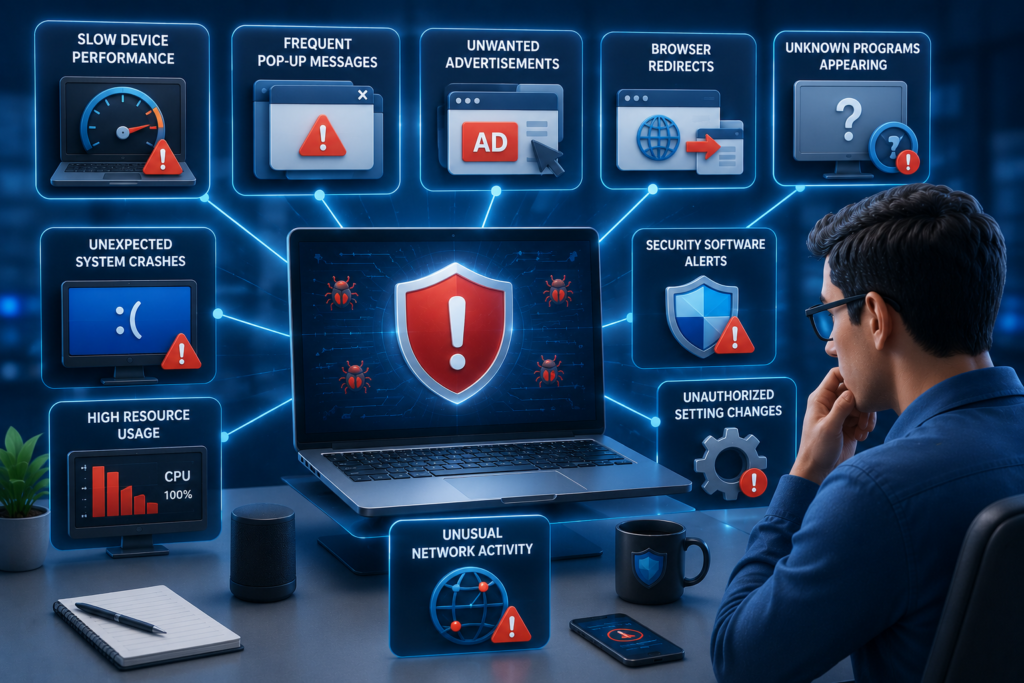
Unexpected pop-ups, unknown applications, slow performance, and unusual network activity may indicate a security threat.
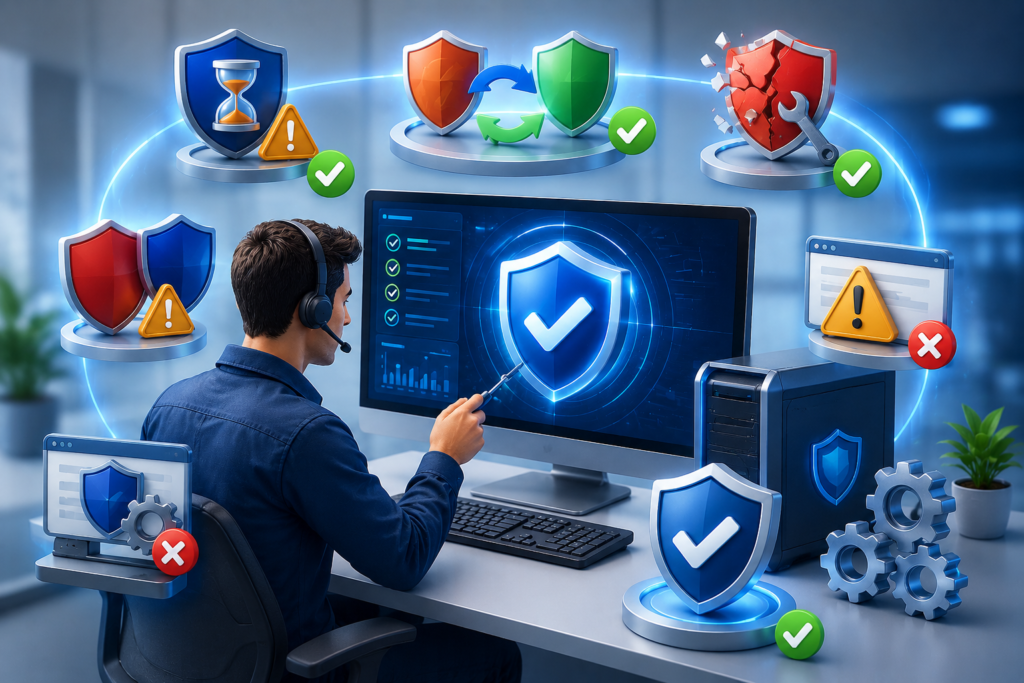
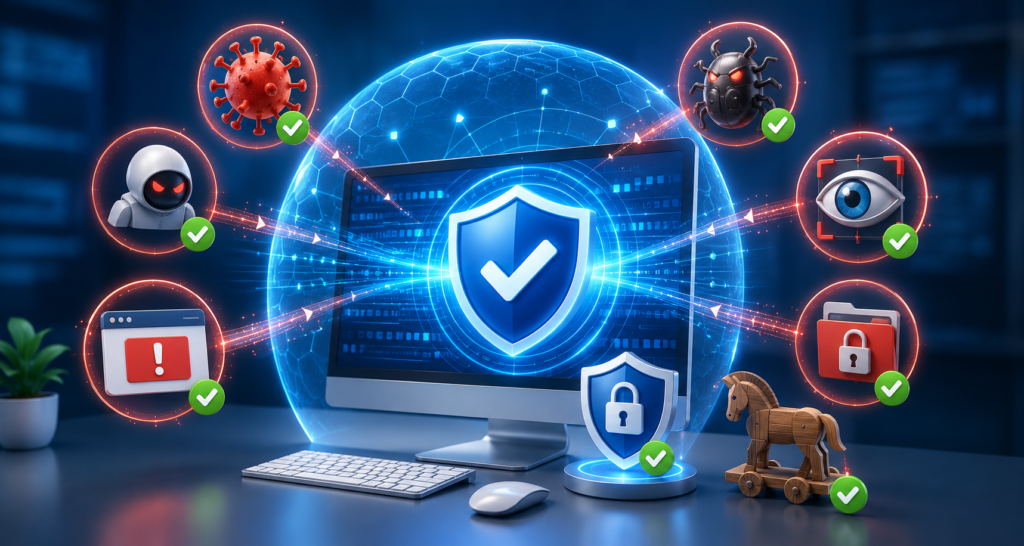
Security software is designed to help protect devices from various digital threats.
Viruses can spread through files, downloads, email attachments, and compromised websites, affecting device functionality and data integrity.
Malware may steal information, modify system settings, or interfere with normal device operations.
Spyware can monitor user behavior, collect personal information, and transmit data without permission.
Adware may generate excessive advertisements, unwanted notifications, and browser redirects.
Threats that restrict access to files or systems and attempt to demand payment for restoration.
Unexpected pop-ups, unknown applications, slow performance, and unusual network activity may indicate a security threat.
Users may experience:
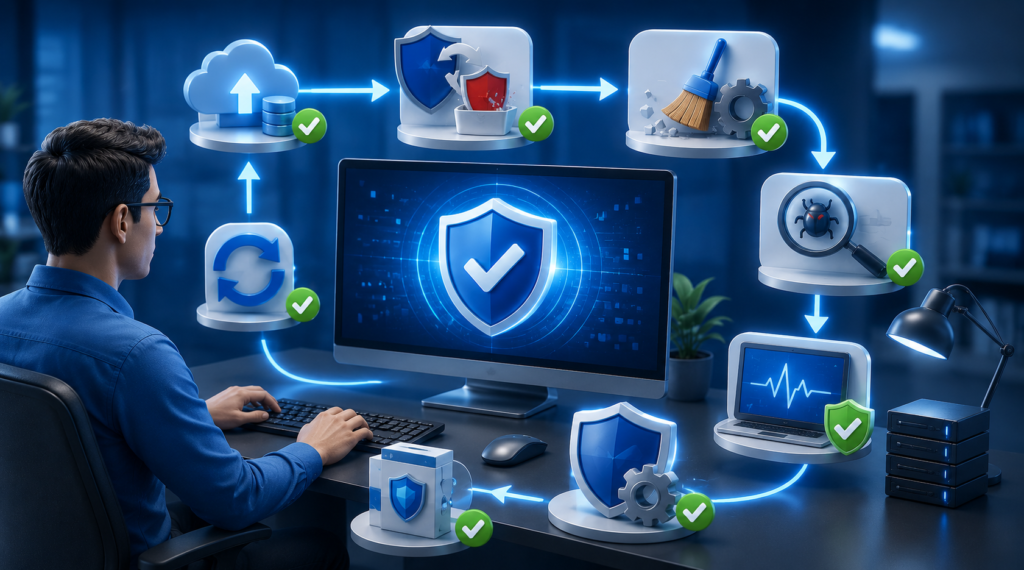
Review system behavior for signs of infection, including performance issues, pop-ups, and unusual activity.
Use trusted security tools to scan the device for viruses, malware, spyware, and other threats.
Delete or quarantine identified malicious files and applications.
Check for unauthorized changes to browser settings, startup programs, and security configurations.
Ensure security applications and threat definitions are current.
Confirm that the system is functioning properly after threat removal.
Follow recommended security practices to help reduce future infection risks.
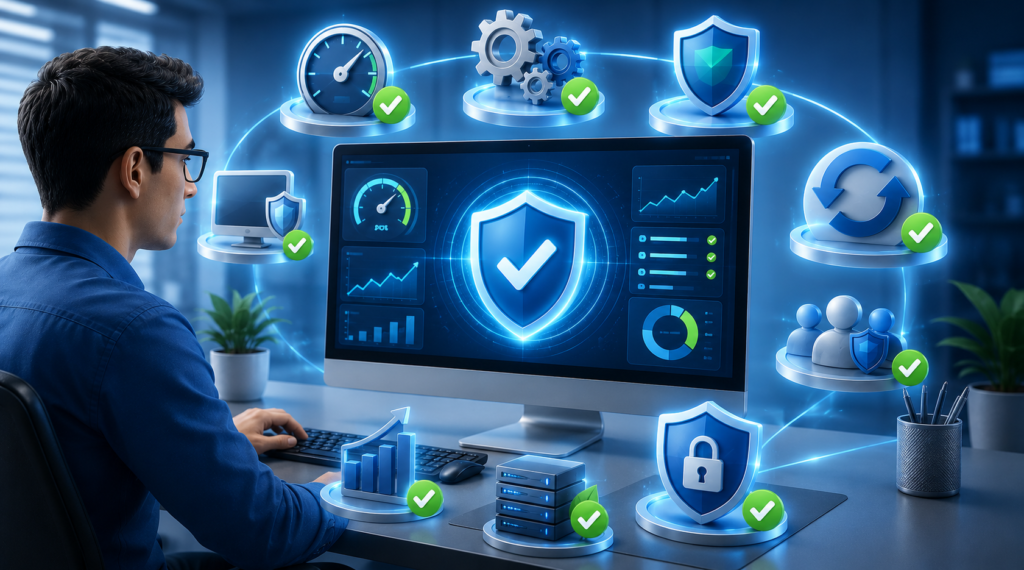
Proper virus removal can help:
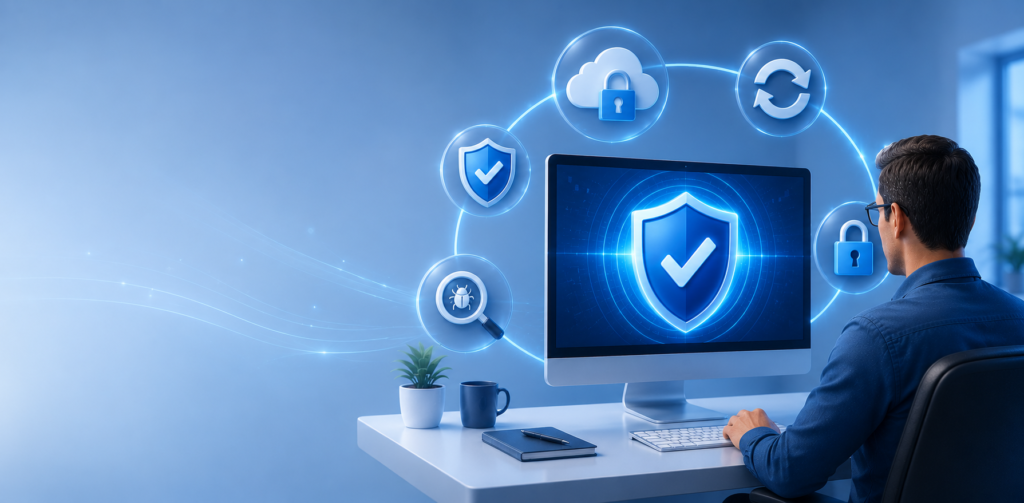
To help maintain device security:

ipcsol.online provides simple and reliable solutions for common computer problems. Our goal is to help users troubleshoot issues easily with clear, step-by-step guidance
Address: 670 River St, Hyde Park, MA 02136, USA

All information on ipcsol.online is provided for general informational and educational purposes only. ipcsol.online makes no warranties regarding the accuracy, reliability, or completeness of any content. Any action you take based on the information on this website is strictly at your own risk. We are not responsible for any loss, damage, or issues arising from the use of this website or any third-party links, software, or services.
Copyright © 2026 ipcsol.online.